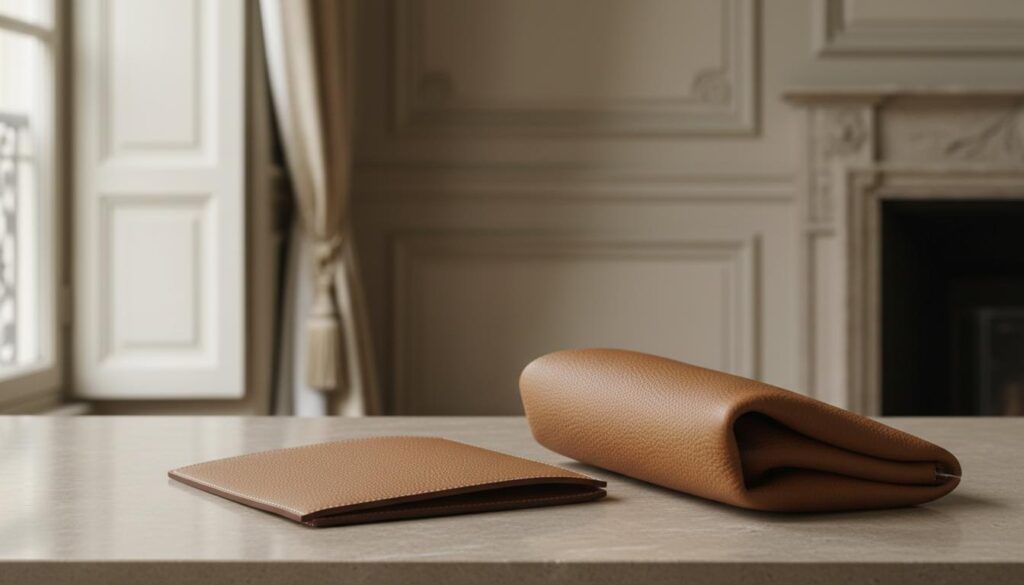
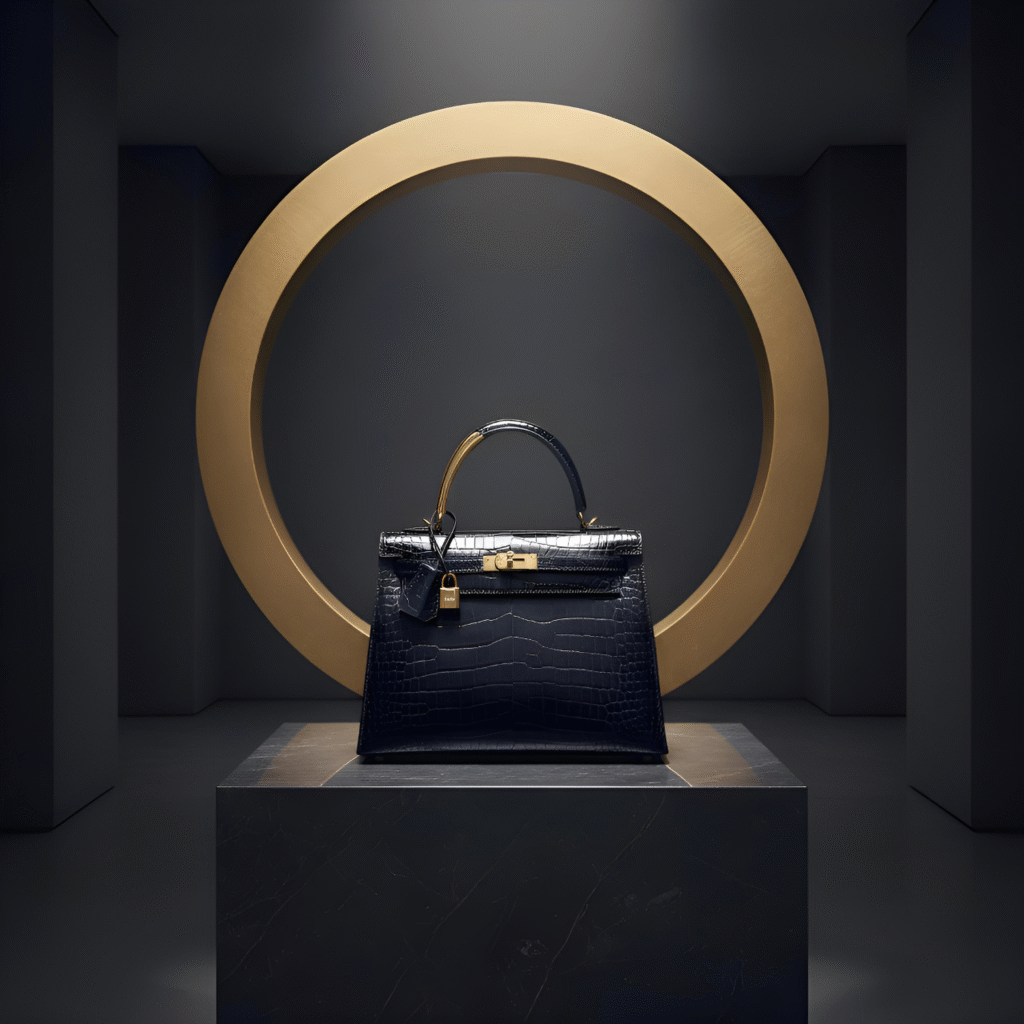
Leather is not chosen for appearance alone. It is selected for behavior.
Structure, response, and resistance define how an object holds over time. Surface is only the first reading.
Among Hermès leathers, Epsom and Togo represent two distinct disciplines.
They are not variations. They are positions.
Epsom
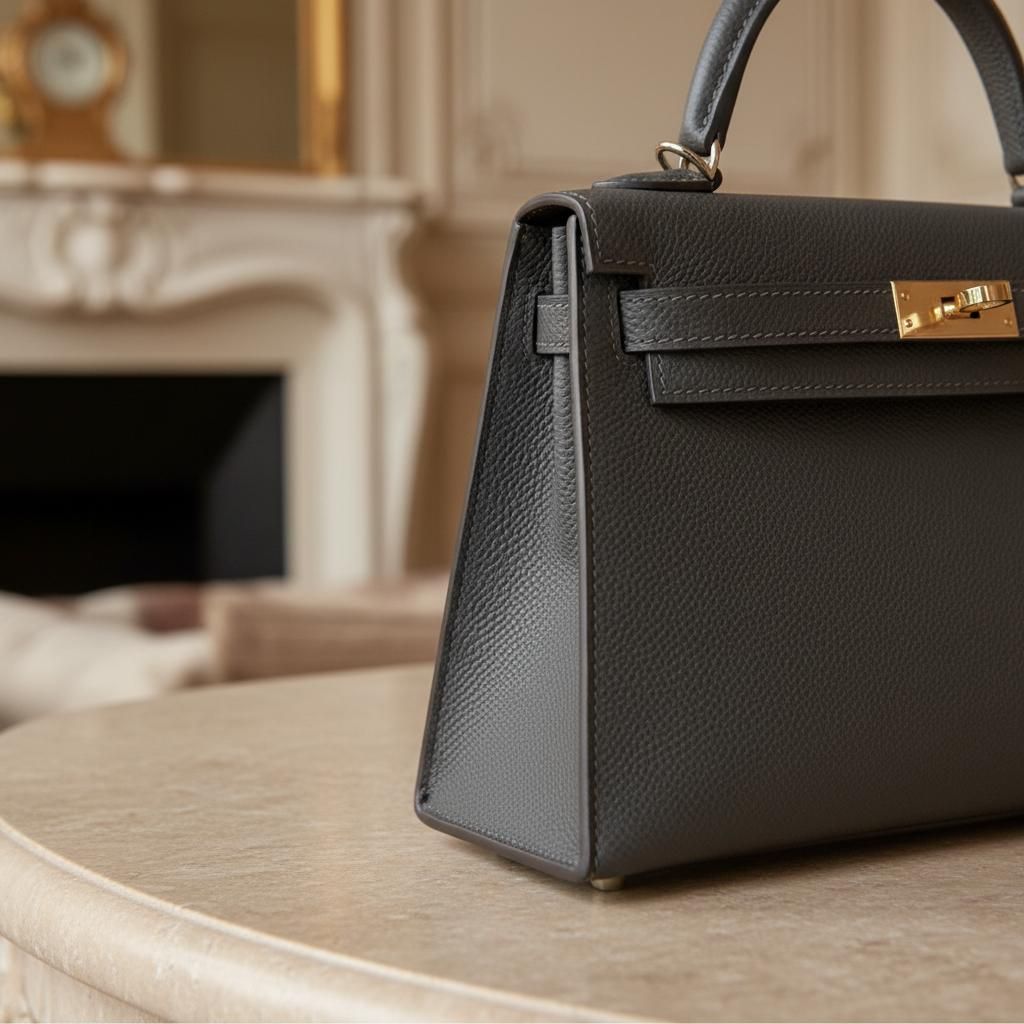
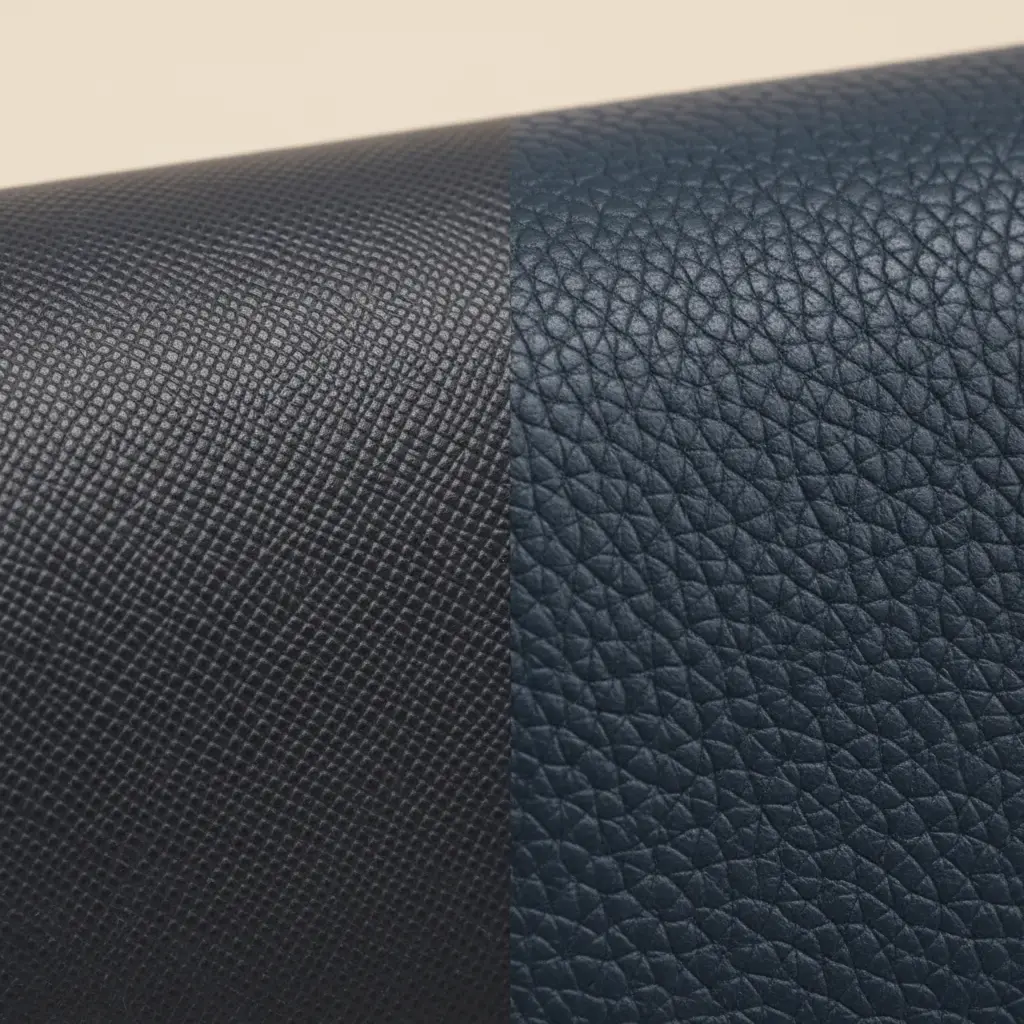
Epsom is embossed, not natural. Its grain is pressed into the surface—uniform, controlled, and repeatable. What it offers is consistency. The leather holds its shape with precision. Edges remain defined. Lines do not relax. It resists scratching. It resists distortion. It resists time, to a degree. But this resistance comes at a cost. Epsom does not evolve. It maintains. It is chosen where structure must remain intact— where form is fixed, and deviation is not desired.
Togo
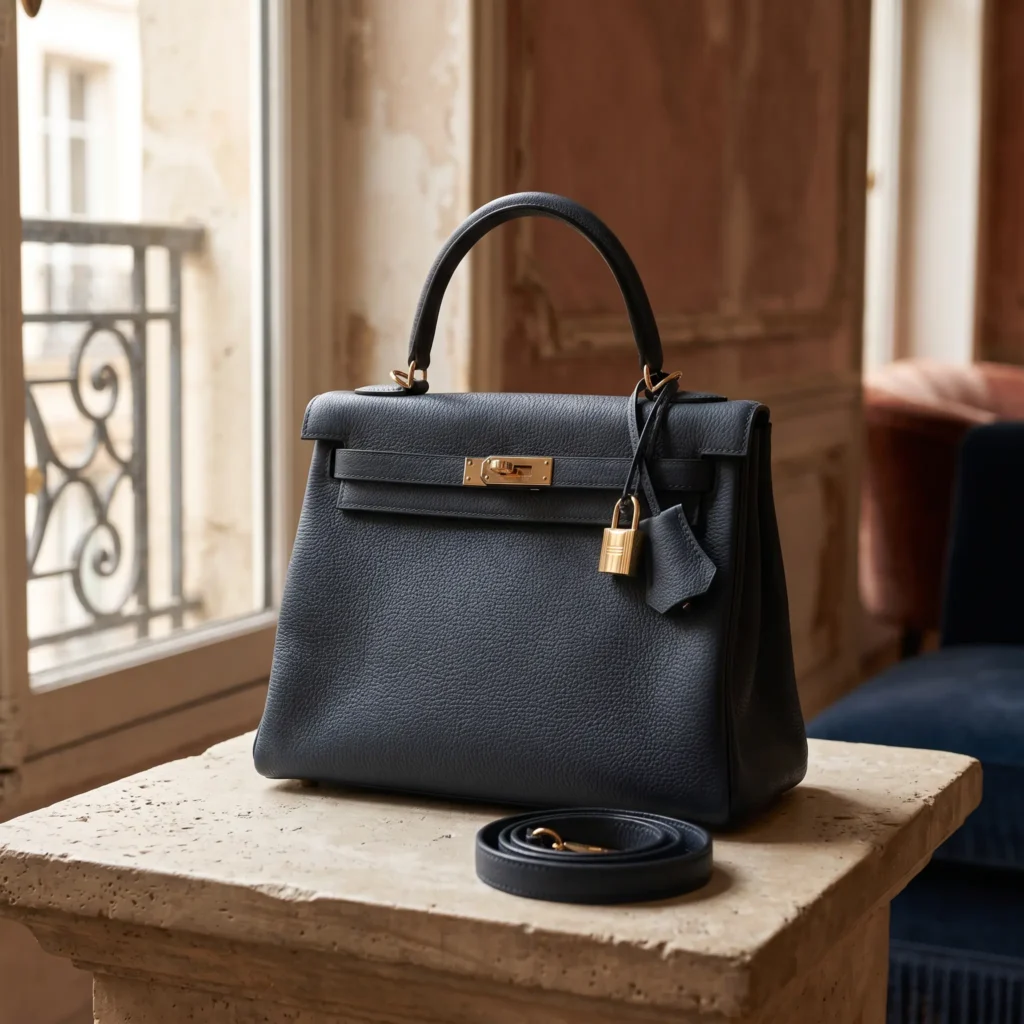
Togo is natural. Its grain emerges from the hide—irregular, slightly raised, responsive. No two surfaces are identical. It yields under pressure. It softens with use. It absorbs time. The structure relaxes gradually. Edges round. The object becomes less rigid, more personal. It is more susceptible to marking, but less dependent on perfection. Togo does not preserve its initial state. It develops.
Structure vs Evolution
The distinction is not aesthetic. It is temporal. Epsom exists in control.Togo exists in response. One maintains its original condition. The other records its use. Over time, the difference becomes more pronounced. Epsom remains consistent across years. Togo diverges—each piece following its own trajectory.
Use and Intention
The selection between them is not preference. It is intention. Epsom is suited to objects where structure defines value— smaller formats, sharper silhouettes, pieces where precision must be preserved. Togo is suited to objects that accommodate use— larger forms, softer constructions, pieces expected to carry weight, both physical and temporal.
Resistance and Vulnerability
Epsom resists external impact. Togo absorbs it. Epsom conceals wear. Togo integrates it. Neither is superior. Each is exact in its application.
The question is not which leather is better. It is which condition is required—preservation, or evolution. The object will follow accordingly.
/* V23 FINAL POLISH — MOBILE INTRO + REFINED CONFIRMATION
* Presentation only. Existing Elementor form mechanics remain untouched.
*/